

In the evolution of gold extraction processes, the choice of material for the adsorption stage directly impacts both the overall recovery rate and production costs at a mine. Consequently, when selecting an adsorption medium, many industry professionals prioritize coconut shell-based activated carbon. Among the various types of activated carbon, coconut shell-derived carbon has long maintained a firm position in gold extraction due to its unique pore structure—a product commonly referred to in the industry as “gold-extraction activated carbon” or “gold-adsorption activated carbon.” Hebei Jinchangsheng Chemical Technology Co., Ltd. specializes in supplying activated carbon specifically designed for various gold-extraction processes, providing a consistent and reliable supply of coconut shell-based activated carbon to gold mining projects across different regions.
In the gold extraction process, activated carbon primarily captures gold from a solution through physical adsorption. In the cyanidation method, gold-bearing materials undergo cyanide leaching, resulting in the formation of water-soluble gold-cyanide complexes. These complexes are then introduced into adsorption tanks containing activated carbon; through thorough agitation, the gold-cyanide complex ions are adsorbed into the pores of the activated carbon. Subsequent processes—such as the desorption of gold from the carbon (elution) and electrowinning—ultimately yield pure gold.
Based on an analysis of common client requirements, we typically recommend the following types of activated carbon, which have proven highly effective for gold extraction and purification.
1: Coconut Shell Gold-Adsorption Charcoal
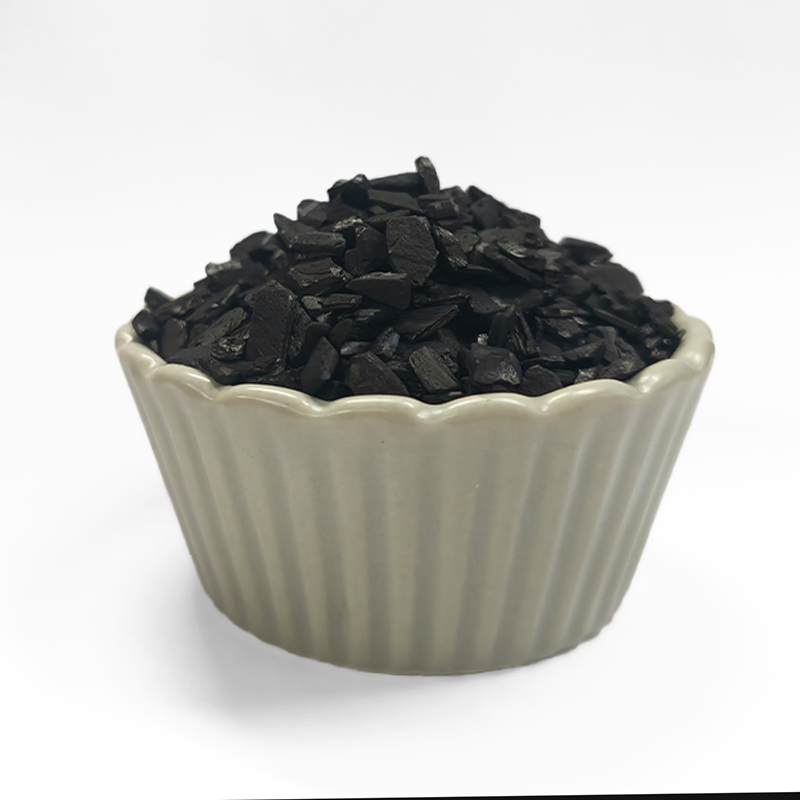
Coconut shell-based activated carbon for gold extraction is the most widely used type of activated carbon in the gold mining industry. It is refined from high-quality coconut shells through a physical activation process involving high-temperature steam. This material is characterized by uniform particle size, high mechanical strength, excellent pressure resistance, and superior adsorption capacity, making it particularly well-suited for modern gold mining operations—specifically for gold recovery via heap leaching or carbon-in-pulp (CIP) processes. Furthermore, this type of activated carbon offers a large specific surface area, rapid adsorption kinetics, and low impurity content. Beyond gold extraction, it is commonly employed for high-purity gas and liquid-phase adsorption, desulfurization and denitrification, the removal of formaldehyde and benzene in new homes, and the purification and filtration of toxic or harmful gases in settings such as laboratories, testing facilities, and offices.
2: Activated carbon derived from apricot shells, specifically for gold recovery
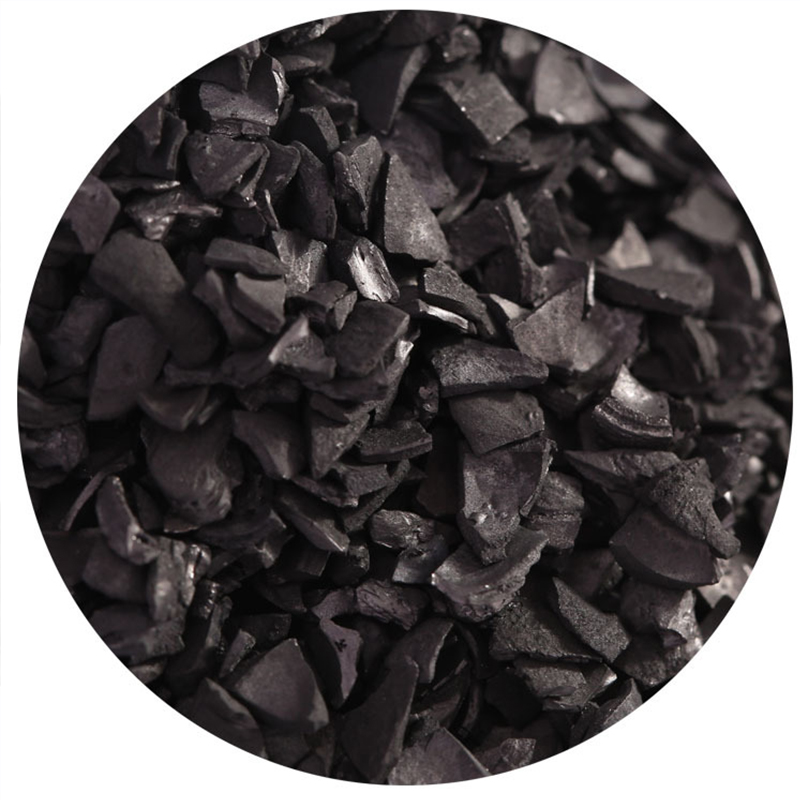
Activated carbon derived from apricot shells—specifically designed for gold extraction—offers adsorption performance comparable to that of coconut shell-based activated carbon. It boasts high mechanical strength, and many clients choose it for their routine gold recovery operations. It delivers excellent results.
3: Specialized wood-based columnar activated carbon for gold recovery
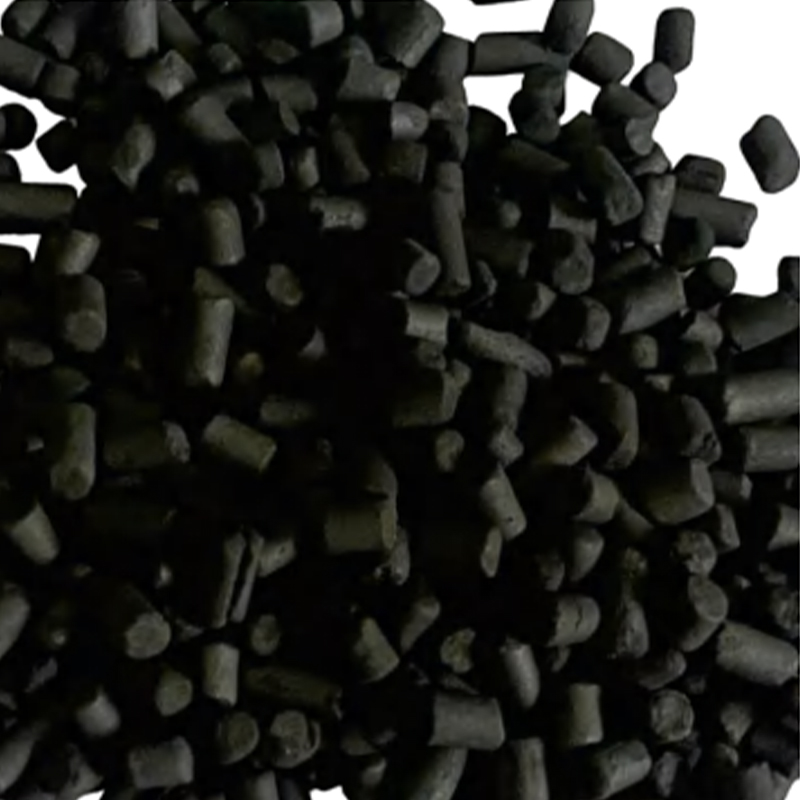
Wood-based columnar activated carbon, specifically designed for gold purification, is produced using high-quality wood chips or timber as raw material. The manufacturing process involves crushing, mixing, extruding, shaping, drying, carbonizing, and activating. It typically appears in a cylindrical form and possesses a high carbon tetrachloride (CTC) adsorption value.
Post time: Nov-18-2026